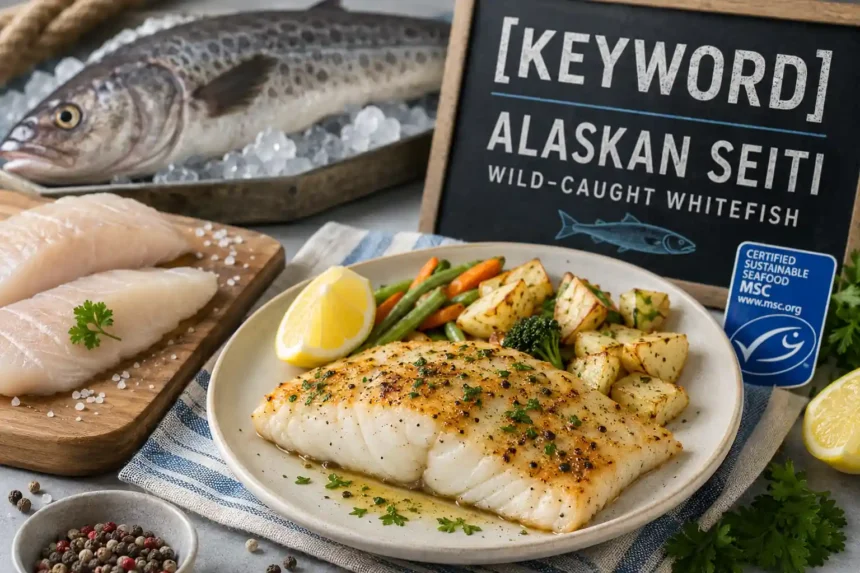
Alaskan seiti is the regional name for Alaska pollock (Gadus chalcogrammus), a cold-water whitefish from the North Pacific Ocean that ranks among the most commercially harvested fish on the planet. It belongs to the cod family and is known for its mild flavor, soft white flesh, and exceptional versatility in both home and industrial cooking. Despite being less recognized by name than salmon or tuna, it quietly powers a massive share of the global seafood industry — from frozen fillets and fish sticks to surimi and fast-food sandwiches.
- What Is Alaska Pollock?
- Nutritional Profile of Alaskan Seiti
- Health Benefits of This Cold-Water Fish
- How Alaska Pollock Became a Global Seafood Staple
- Culinary Uses of Alaskan Seiti
- How to Buy and Store Alaska Pollock
- Sustainability of the Alaskan Seiti Fishery
- Wild-Caught Fishing Practices
- MSC Certification and Regulatory Bodies
- Environmental Challenges and Conservation
- Economic Importance of Alaskan Seiti
- Conclusion
- FAQs
What Is Alaska Pollock?
Alaska pollock was previously classified as Theragra chalcogramma before scientists reclassified it under Gadus chalcogrammus, placing it firmly in the cod family. The name “Alaskan seiti” reflects regional language use, particularly in Finnish-speaking markets, but both names refer to the same species. This kind of naming variation matters in commercial contexts — packaging, menus, and seafood websites may list either name depending on the region.
The fish has a mild taste, flaky texture, and naturally soft white flesh. These qualities make it accessible to a wide range of consumers, including people who normally avoid seafood with a strong smell or flavor. Its commercial identity is built on consistency: it looks predictable, cooks reliably, and works across dozens of applications.
Natural Habitat and Physical Characteristics
Alaskan seiti lives in the cold, deep waters of the Bering Sea and Gulf of Alaska, where nutrient-rich conditions support dense, commercially significant schools. These schools are large enough to sustain large-scale harvests year after year, making the species one of the most important in North Pacific fisheries.
Physically, the fish has a streamlined body with a speckled appearance typical of the cod family. It is a fast-growing fish with a lean body composition, feeding primarily on plankton and small marine organisms. This efficient growth pattern supports managed harvests while keeping the population stable.
How This Whitefish Differs from Other Species
| Fish | Flavor | Fat Level | Source | Omega-3 Level |
| Alaskan Seiti | Very mild | Low | Wild-caught | Moderate |
| Cod | Mild | Low | Wild-caught | Moderate |
| Haddock | Mild-sweet | Low | Wild-caught | Moderate |
| Tilapia | Neutral | Very low | Farmed | Low |
Compared to cod and haddock, Alaskan seiti tends to be slightly softer in both flavor and texture. Tilapia is often its closest price competitor, but it is typically farmed in conditions that raise quality concerns. This cold-water pollock offers a clear advantage: wild-caught origin, better omega-3 content, and a lower price point than many equivalent wild fish options.
Nutritional Profile of Alaskan Seiti
Protein, Calories, and Fat Content
Alaska pollock is widely recognized as a high-protein, low-fat seafood option. A standard 100g serving delivers roughly 15–17g of lean protein with under 1g of fat and approximately 80–90 calories. That balance makes it a practical choice for fitness diets, weight control, and everyday meals where protein density matters.
Unlike oily fish such as salmon or mackerel, this whitefish stays light even after cooking. This makes it ideal for people who want clean protein without richness or heaviness in the meal.
Vitamins and Essential Minerals
Beyond protein, this fish provides a solid range of micronutrients:
- Vitamin B12 — supports energy metabolism and red blood cell formation
- Selenium — functions as an antioxidant, protecting cells from oxidative damage
- Phosphorus — essential for bones, teeth, and cell function
- Iodine — regulates thyroid function and metabolism
- Immune and nervous system support — through a combination of B12 and mineral content
These nutrients work together to make Alaskan seiti more than just a protein source. It delivers practical nutritional coverage in a simple, low-calorie format.
Omega-3 Fatty Acids
This cold-water pollock contains both EPA and DHA — the two omega-3 fatty acids most studied in nutrition science. While it contains less total fat than salmon, it still delivers meaningful omega-3 levels that support heart health and brain function. For people who eat fish primarily for omega-3 benefits, it remains a reliable and affordable source.
Health Benefits of This Cold-Water Fish
Heart and Cardiovascular Health
The combination of lean protein and omega-3 fats makes Alaskan sea trout a strong fit for a heart-healthy diet. Omega-3 fatty acids are associated with reduced inflammation, lower triglyceride levels, and improved cardiovascular health overall. Eating it as part of a balanced diet provides these benefits without adding saturated fat or excess calories.
Brain Function and Cognition
DHA is a structural component of brain tissue. Regular intake through foods like this North Pacific whitefish supports cognitive function, focus, and memory. EPA plays a broader role in overall wellness and is frequently discussed in the context of mood and mental clarity. Together, they make seafood a nutritionally smart choice for brain health.
Weight Management and Digestive Health
High protein content promotes satiety — meaning smaller portions keep people feeling full longer. This makes Alaskan seiti useful for meal prep and fitness menus where calorie control matters. It is also easy to digest, which benefits older adults, children, and people with sensitive digestion who need a gentle protein source. It works as a practical red meat alternative without the heaviness or saturated fat.
How Alaska Pollock Became a Global Seafood Staple
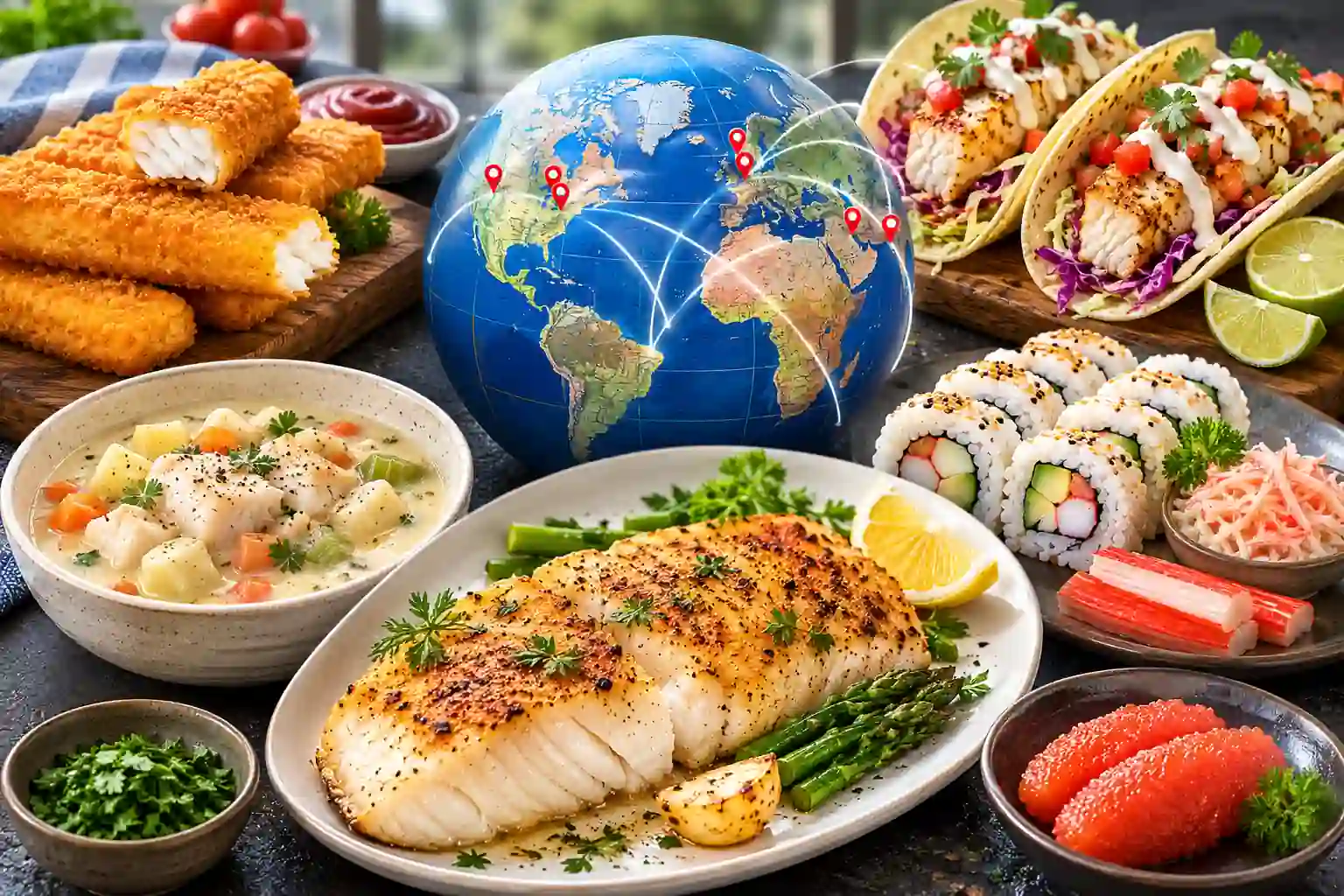
The rise of this whitefish in world markets connects directly to its abundance and processing efficiency. As global demand for affordable protein grew, large-scale food manufacturers recognized that the fish could be cleaned, frozen, and processed at scale without losing quality.
Today it appears in:
- Frozen seafood aisles have plain fillets or breaded products
- Fast-food fish sandwiches and school lunches (especially in the United States)
- Surimi and imitation crab in sushi rolls and seafood salads (Japan)
- Home-cooked meals and restaurant menus across Nordic nations — Finland, Sweden, and Norway
- Tempura, fish cakes, and other traditional preparations in Scandinavian cuisine and Japanese cooking
That range of appearances — from a school cafeteria tray to a Japanese izakaya — reflects how broadly this fish has embedded itself in global foodservice and retail.
Culinary Uses of Alaskan Seiti
Popular Cooking Methods
Alaska pollock responds well to almost every standard cooking method. Baking with lemon, garlic, and olive oil brings out its clean flavor without masking it. Pan-frying with a light flour or breadcrumb coating creates a golden, crispy exterior while keeping the interior tender. Grilling, steaming, and poaching all work equally well.
Because the flesh is mild, it accepts bold seasoning without becoming overpowering. Dill, paprika, pepper, herbs, and butter sauce all pair naturally. Cooking time is short — most fillets are ready in 10–15 minutes.
Traditional and International Recipes
Several specific preparations have become closely associated with this fish:
- Alaskan seiti uunissa — Finnish oven-baked preparation with herbs, lemon, and garlic, typically served with potatoes or vegetables
- Alaskan seiti pannulla — pan-fried version coated in batter or flour, popular in households and restaurants
- Alaskan seiti keitto — traditional Finnish fish soup with potatoes, carrots, and leeks; a classic cold-weather comfort dish
- Fish tacos — widely popular in North American cooking, using pan-fried or baked fillets with cabbage, lime, and sauce
- Fish chowder — a creamy preparation common across European and North American cuisines
- Casseroles and rice dishes — flexible formats used across Asian, European, and North American cooking traditions
Use in Processed Foods
This pollock species is the primary raw material for surimi — the processed seafood paste used to make imitation crab meat. Its clean flavor and binding texture make it ideal for this application. It is also found in fish sticks, fish sandwiches, and breaded products sold globally. In Japanese cuisine specifically, its roe is processed into Mentaiko and Tarako, both well-established condiments with strong domestic and export markets.
How to Buy and Store Alaska Pollock
Choosing Quality Fish at the Store
For frozen fillets: Look for packages labeled “frozen-at-sea,” which means the fish was cleaned and frozen immediately after catch. This preserves texture and flavor better than fish that was refrigerated during transport. The flesh should appear bright white and firm through the packaging. Avoid bags with excessive ice crystals, which can indicate repeated thawing.
Key labels to look for:
- MSC blue label (Marine Stewardship Council certification)
- Alaska origin labeling
- Wild-caught certification
For fresh fillets, the fish should have no strong odor, a clean appearance, and a slightly firm feel. Clear origin labels and handling details add confidence when buying from a counter.
Storage and Handling Tips
- Store frozen fillets at or below -18°C immediately after purchase
- Thaw slowly in the refrigerator overnight — avoid room-temperature thawing
- Keep thawing fillets in their sealed package to retain moisture
- Cook within 24 hours of thawing for the best texture and flavor
- Store cooked leftovers in a sealed container and consume within two to three days
Sustainability of the Alaskan Seiti Fishery
Wild-Caught Fishing Practices
Most of this pollock comes from wild-caught fisheries rather than fish farms. The primary method uses mid-water nets that float above the seabed, protecting the ocean floor and reducing unintended catch of other species. Frozen-at-sea technology allows fishing boats to process and freeze fish immediately, cutting waste and maintaining quality across long ocean journeys.
MSC Certification and Regulatory Bodies
Three organizations underpin the credibility of this fishery’s sustainability credentials:
- Marine Stewardship Council (MSC) — sets and verifies global standards for responsible wild-caught fisheries; the MSC blue label on packaging confirms compliance
- NOAA Fisheries — the U.S. federal agency that sets science-based catch limits and monitors pollock populations in the Bering Sea and Gulf of Alaska
- Alaska Seafood Marketing Institute — promotes responsible sourcing practices and seafood education globally.
Quotas are reviewed annually using population data, keeping harvest levels aligned with fish population health.
Environmental Challenges and Conservation
Even well-managed fisheries face external pressure. Climate change affects ocean temperature and fish migration patterns, requiring fisheries to adapt their monitoring systems continuously. Bycatch reduction, habitat protection, and maintaining ocean ecosystem balance remain active priorities. The system works because it treats conservation not as a fixed target but as an ongoing process.
Economic Importance of Alaskan Seiti
Alaska pollock is the single most commercially important fish in the U.S. seafood industry. The fishery generates thousands of jobs across catching, processing, distributing, transporting, and sales. Its reach extends well beyond Alaska — export markets across Asia, Europe, and beyond rely on consistent supply from Bering Sea and Gulf of Alaska operations.
The price of this whitefish remains accessible because of the species’ abundance and processing efficiency. Food manufacturers can produce bulk volumes of frozen fillets, surimi, and breaded products at costs that keep retail prices competitive. That cost-effectiveness is a core reason it remains central to seafood supply chains, feeding communities from school cafeterias to global food manufacturers.
Conclusion
Alaskan seiti — Alaska pollock — is one of the most useful and widely consumed whitefish species in the world. It combines genuine nutritional value with practical versatility: high protein, meaningful omega-3 content, essential vitamins, and a mild taste that works across dozens of preparations. Its presence in everything from surimi and frozen meals to Finnish fish soup and Japanese Tarako reflects the breadth of its culinary reach.
Choosing it means choosing a fish backed by MSC certification, responsible fisheries management, and a strong sustainability track record. For everyday meals, it delivers consistent quality at an accessible price. Few fish match that combination of affordability, adaptability, and global significance.
FAQs
What is Alaskan Seiti?
Alaskan seiti is a regional name for Alaska pollock (Gadus chalcogrammus), a mild-flavored whitefish in the cod family. It comes from the cold waters of the North Pacific Ocean and is one of the most commercially important marine fish in the world.
Is This Fish Healthy to Eat?
Yes. Alaska pollock is high in lean protein, low in fat, and provides vitamin B12, selenium, iodine, and omega-3 fatty acids. It fits well into balanced diets focused on clean protein and heart health.
What Does It Taste Like?
The flavor is mild and clean with a soft, flaky texture. It does not have a strong “fishy” smell or taste, which makes it widely appealing. It absorbs seasoning, sauces, and spices well without losing its own character.
Is It the Same as Cod?
No. Both belong to the cod family, but they are different species. Alaska pollock has its own distinct commercial and culinary identity — it is generally leaner and softer in flavor than Atlantic cod.
What Foods Are Made from This Whitefish?
It is used in fish sticks, frozen fillets, breaded products, fast-food fish sandwiches, surimi, and imitation crab meat. In Japan, its roe is processed into Mentaiko and Tarako. It appears in prepared meals and soups globally.
Is Alaskan Seiti Sustainable?
Yes. Most Alaska pollock carries MSC certification and is harvested under quotas set by NOAA Fisheries. Alaska’s wild-caught fisheries are among the best-regulated in the world, with active monitoring to prevent overfishing.
Can You Eat It Every Day?
It is safe for regular consumption. It is a wild-caught fish with naturally low mercury levels. As with all seafood, variety is recommended for a balanced diet, but it works well as a frequent protein source.
How Do I Cook It from Frozen?
This pollock cooks well directly from frozen without thawing first. Baking, frying, and steaming all work well. Cooking from frozen adds a few minutes to the usual time but does not significantly affect texture or flavor — a practical advantage of frozen-at-sea products.