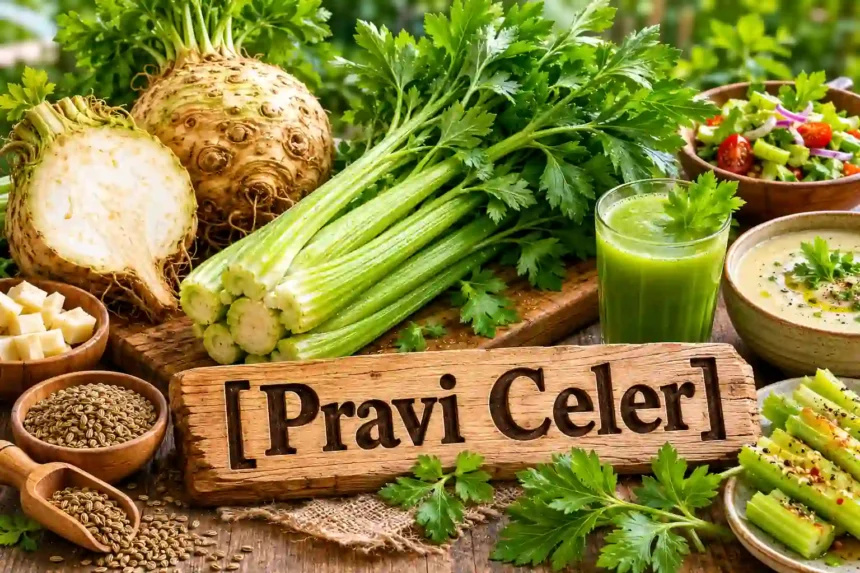
Pravi Celer is the South Slavic term for true celery — the original, whole-plant form of Apium graveolens that has been cultivated across the Balkans and Mediterranean for thousands of years. Unlike the pale, mild stalks sold in modern supermarkets, true celery refers to the full plant: stalks, leaves, seeds, and root, all used together. It is not a new variety — it is the original one.
- What Is Pravi Celer?
- The Plant Characteristics
- How to Grow Pravi Celer
- Soil and Sunlight Requirements
- Watering and Temperature
- Container vs. Garden Growing
- Seed to Harvest Timeline
- Care Tips for This Crop
- Nutritional Profile of Pravi Celer
- Health Benefits of Pravi Celer
- Digestive Health and Gut Support
- Blood Pressure and Heart Health
- Detoxification and Organ Support
- Weight Management and Metabolic Balance
- Additional Health Benefits
- Culinary Uses of Pravi Celer
- Raw Consumption and Fresh Preparations
- Cooked Dishes and Traditional Recipes
- Seeds, Leaves, and Root Uses
- Trending Recipes
- Pravi Celer vs. Regular Celery
- How to Store Fresh Celery
- True Celery in Modern Wellness Culture
- Conclusion
- FAQs
- What is Pravi Cele,r and what does the name mean?
- Is true celery the same as celeriac?
- How long does this plant take to grow from seed to harvest?
- Can I grow true celery in a pot or on a balcony?
- Why are my celery stalks hollow or stringy?
- What are the main health benefits of Pravi Celer?
- How is traditional whole-plant celery different from regular store celery?
- How do I keep my celery fresh for longer?
This guide covers everything from botanical background and growing instructions to nutritional data, health benefits, recipes, and storage.
What Is Pravi Celer?
Pravi Celer translates directly from Bosnian, Croatian, and Serbian as “real celery” or “true celery.” The word pravi means genuine or authentic. Celer means celery. Together, the phrase distinguishes the traditional whole plant from the commercially bred version most people buy today.
Botanically, it belongs to Apium graveolens, a biennial plant in the Apiaceae family — the same family as parsley, carrots, and fennel. The species name graveolens comes from Latin, meaning “heavy-scented,” which accurately describes the plant’s intense, aromatic character.
Native to the marshlands of the Mediterranean, North Africa, and parts of Asia, celery was first cultivated for its medicinal properties, not its flavor. Over centuries, it became a staple in European gardens and eventually a dietary cornerstone in Central and Eastern European cuisines.
Varieties of True Celery
The term broadly covers two main cultivated forms:
| Variety | Botanical Name | Primary Use |
| Stalk celery | Apium graveolens var. dulce | Raw eating, salads, soups |
| Celeriac (celery root) | Apium graveolens var. rapaceum | Soups, mashes, roasting |
Stalk celery is grown for its crunchy stems and fresh flavor. Celeriac, the knobby root variety, is prized for its dense, aromatic root used in soups, purees, and roasted dishes. Grocery store celery (var. dulce) has been selectively bred for bulk and mildness — a different cultivar with lower nutritional density than traditional forms.
The Plant Characteristics
At maturity, Pravi Celer reaches 60–90 cm (2–3 feet) tall. The stalks are ribbed and pale to medium green. The leaves are pinnate — finely divided, similar in appearance to flat-leaf parsley — and a deep, glossy green. In its second year, if left to bolt, the plant sends up tall umbel flower heads that attract beneficial insects.
The flavor is the biggest distinguishing feature. It is earthy, aromatic, and noticeably bolder than store-bought varieties. The seeds carry a concentrated, spice-like intensity. The leaves are the most aromatic part of the plant.
As a cool-season crop, this traditional celery performs best in spring and autumn. It struggles in summer heat, which triggers bolting. In mild climates, it can overwinter in the ground.
How to Grow Pravi Celer
Soil and Sunlight Requirements
Pravi Celer demands rich, moisture-retentive soil. Target a pH between 6.0 and 7.0, and work in generous amounts of compost or aged manure before planting. The soil should drain well but never dry out completely. Heavy clay soil needs lightening with organic matter to prevent waterlogging.
For sunlight, aim for full sun to partial shade — ideally 6–8 hours of direct light per day. In hotter regions, afternoon shade helps prevent early bolting. A thick layer of mulch regulates soil temperature, retains moisture, and suppresses weeds simultaneously.
Watering and Temperature
This aromatic crop has shallow roots and reacts quickly to drought stress. Water deeply 2–3 times per week, more frequently during warm or dry spells. The ideal germination temperature sits between 15–21°C (60–70°F). Once established, plants grow best when daytime temperatures stay below 25°C (77°F).
Light frosts actually improve flavor — they sweeten the stalks. Avoid transplanting during peak summer heat, as this accelerates bolting and compromises flavor.
Container vs. Garden Growing
Growing in the garden: space plants 20–25 cm apart in rows 45 cm wide. This supports good airflow and root development.
Growing in containers: Use a pot at least 30 cm deep. Container-grown celery dries out faster than in-ground plants, so daily watering checks are essential in warmer months. A sunny balcony with morning light works well for container growing.
Seed to Harvest Timeline
Start seeds indoors 10–12 weeks before the last frost date. Transplant outdoors when temperatures consistently stay above 10°C (50°F). From seed to full harvest, expect 100–120 days. A second sowing in midsummer produces a strong autumn harvest in most temperate climates.
Care Tips for This Crop
Fertilizing Guide
Celery is a heavy feeder. Begin with well-amended soil, then apply a balanced liquid fertilizer every 2–3 weeks through the growing season. Nitrogen matters most in the early stages to drive leafy growth. As stalks develop, potassium becomes more important. Avoid excess nitrogen late in the season — it produces lush leaves at the expense of firm stalks.
Pruning and Harvesting
Begin harvesting outer stalks once the plant reaches 30 cm tall. Cut or snap them cleanly at the base, leaving inner stalks to continue growing. Leaves can be harvested throughout the season — they are the most fragrant part and perform well in soups and stocks. For a full head harvest, cut the entire plant at soil level.
Common Pests and Diseases
- Aphids — Check leaf undersides regularly. A strong water jet or neem oil spray handles most infestations.
- Celery leaf miner — Larvae tunnel inside leaves. Remove affected leaves immediately and use row covers as a preventive barrier.
- Early blight (Cercospora) — Appears as yellow-brown spots on leaves. Improve airflow and avoid overhead watering.
- Fusarium wilt — Causes yellowing and wilting. Rotate celery beds every 2–3 years to prevent soil buildup.
Common Growing Mistakes
- Starting seeds too late relative to the frost date
- Allowing soil moisture to drop even once (recovery is slow, and flavor suffers)
- Skipping mulch, which dramatically affects moisture retention
- Planting in heavy shade, which weakens stalks and reduces flavor
- Harvesting the full plant too early,y before flavor peaks
Nutritional Profile of Pravi Celer
Pravi Celer delivers a strong nutrient profile relative to its calorie count. At 14–16 kcal per 100g, it provides meaningful nutrition without contributing to caloric excess.
| Nutrient | Per 100g |
| Calories | 14–16 kcal |
| Water | 95.4g |
| Protein | 0.69g |
| Fat | 0.17g |
| Carbohydrates | 2.97g |
| Dietary Fiber | 1.6g |
| Sugars | 1.34g |
It suits low-carb diets well and provides both soluble and insoluble fiber for digestive support.
Vitamins and Minerals
This whole plant is particularly rich in vitamin K, which supports blood clotting and bone health. It also provides vitamin C, vitamin A (as beta-carotene), potassium, calcium, magnesium, folate, and small amounts of iron. These nutrients collectively support immune function, cardiovascular health, nerve signaling, and skeletal strength.
Antioxidants and Phytochemicals
Beyond standard vitamins, this aromatic vegetable contains apigenin, luteolin, caffeic acid, phthalides, and flavonoids. These compounds neutralize free radicals, reduce oxidative stress, and activate the body’s natural anti-inflammatory responses. Long-term, they contribute to cellular health and disease prevention.
Health Benefits of Pravi Celer
Digestive Health and Gut Support
The combination of soluble fiber, insoluble fiber, and high water content makes Pravi Celer genuinely gut-friendly. It supports regular bowel movements, feeds beneficial gut bacteria, improves intestinal transit, and reduces bloating and constipation. For daily digestive support, few vegetables match its profile at this calorie level.
Blood Pressure and Heart Health
Phthalides — naturally occurring compounds in celery — relax the smooth muscles lining arterial walls. This improves blood flow and contributes to lower blood pressure. Combined with potassium and calcium, this traditional vegetable supports cardiovascular stability and cerebrovascular function over time.
Detoxification and Organ Support
This whole-plant celery produces a mild diuretic effect, increasing urine output and helping the kidneys flush excess sodium and metabolic waste. Traditional wellness practices across Europe have long associated it with liver support and internal cleansing. Modern research supports its role in detox-focused diets.
Weight Management and Metabolic Balance
With a very low calorie count and high satiety value, celery allows larger portions without significantly increasing caloric intake. Its low glycemic index means it does not spike blood sugar, making it suitable for calorie-conscious and fitness-oriented diets alike.
Additional Health Benefits
Raw celery acts mechanically on teeth and gums — the chewing action scrubs plaque and stimulates saliva production, which supports oral health. Vitamin K enhances bone strength and blood clotting. Slavic healers recommended celery specifically for digestion, circulation, and kidney support long before these effects had scientific backing — and modern nutritional research has largely confirmed those traditional uses.
Culinary Uses of Pravi Celer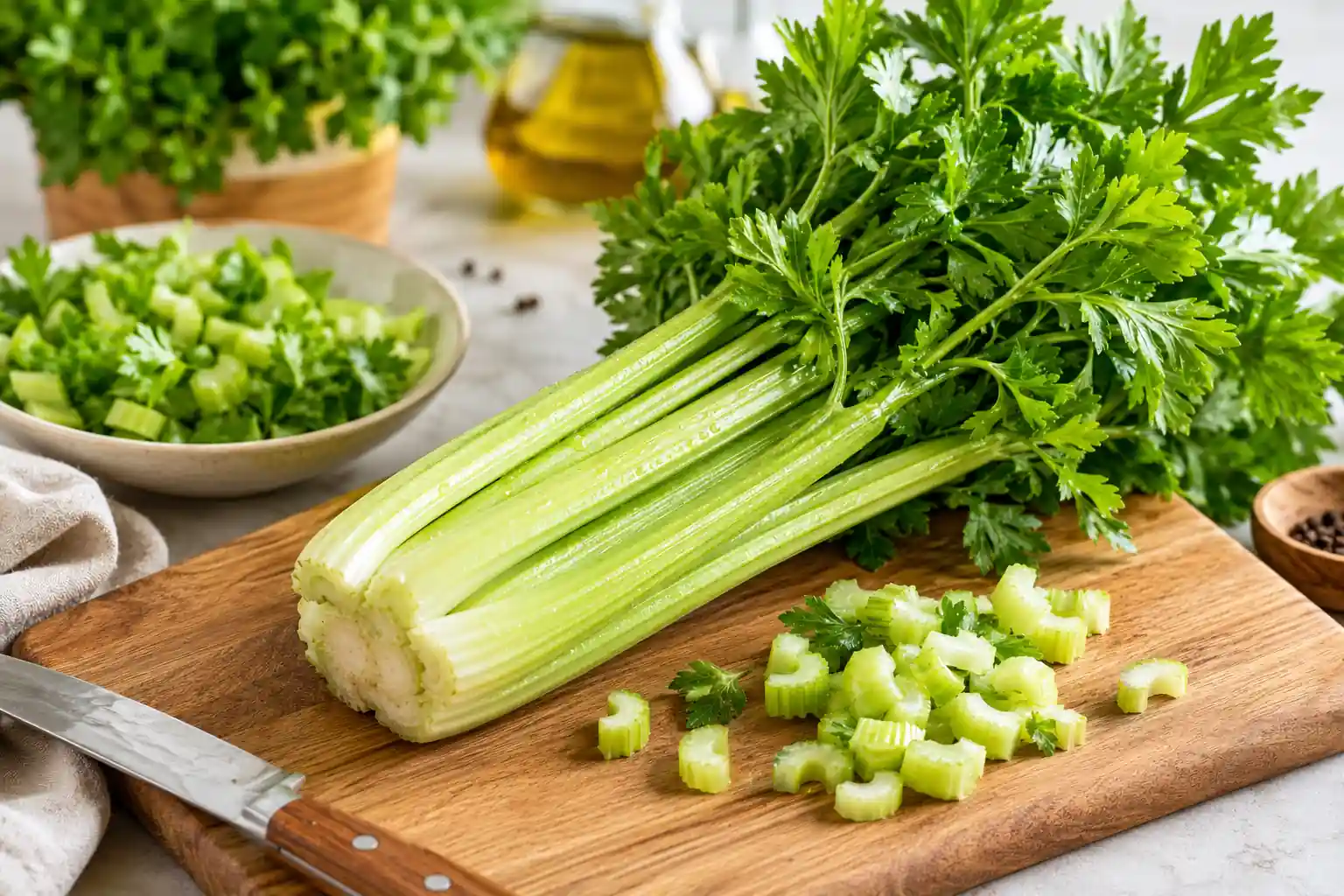
Raw Consumption and Fresh Preparations
Raw Pravi Celer retains its full vitamin C and enzyme content. It works well in salads, fresh juices, and smoothies. Celery juice has become a popular wellness beverage for hydration and digestive support. Thin-sliced stalks dressed with lemon and olive oil make a simple, effective preparation.
Cooked Dishes and Traditional Recipes
In Balkan cooking and broader Central European cuisine, celer root going into a broth is not optional — it defines the base note of the dish. Stalks and roots both work in soups, stews, and sauces. Celeriac specifically suits mashed dishes, roasted vegetables, and creamy soups. Cooking softens the fiber and improves digestibility for sensitive individuals.
Seeds, Leaves, and Root Uses
- Seeds — Used as a spice in bread, cheese spreads, pickles, and rubs. Concentrated and intensely aromatic.
- Dried leaves — Crumbled into winter dishes as seasoning. Higher in antioxidants than the stalks.
- Celer root — Adds earthy depth to stocks and slow-cooked broths. Also eaten raw, shredded into salads.
Trending Recipes
- Stir-Fried Sesame Celery — Stir-fry stalks in sesame oil with garlic powder and black pepper. Ready in minutes.
- Korean Style Celery Salad — Blanch celery sticks briefly, rinse in cold water, and toss with soy sauce, garlic powder, and brown sugar. A low-calorie side dish with depth.
- Cheddar Bacon Celery Sticks — Mix bacon strips with mayo, fill celery stalks, and top with cheddar. A popular appetizer in the US.
- Celery Smoothie — Blend fresh leaves and stalks with apple and rock salt for a clean, hydrating morning drink.
- Spicy Celery Soup — Sauté stalks with red bell peppers, cherry tomatoes, and onion. Blend smoothly. Pair with brown rice.
Pravi Celer vs. Regular Celery
| Feature | Pravi Celer | Regular Store Celery |
| Botanical name | Apium graveolens | Apium graveolens var. dulce |
| Flavor | Bold, aromatic, complex | Mild, slightly watery |
| Stalk texture | Firm, crisp | Softer over time |
| Leaf use | Yes — strongly herbal | Often discarded (bland) |
| Seed use | Culinary spice | Rarely used |
| Nutritional density | Higher | Moderate — diluted by cultivar |
| Shelf life | Longer | Shorter |
| Hydration value | More effective | Moderate |
The difference is not cosmetic. The cultivar bred for supermarket supply chains (var. dulce) was optimized for thick, pale stalks and extended shelf life — not flavor or nutritional density. Traditional whole-plant celery prioritizes the whole plant and the full spectrum of compounds that come with it.
How to Store Fresh Celery
Proper storage keeps this aromatic vegetable crisp and nutritionally intact significantly longer than regular celery.
- Wrap stalks in aluminium foil rather than plastic — foil allows just enough airflow without drying the plant out.
- Store in the crisper drawer of the refrigerator
- Keep away from fruits that release ethylene gas, particularly apples, which accelerate spoilage.
- Cut only what you need — leaving stalks intact preserves freshness longer
- Place cut stalks upright in an airtight jar filled with water for short-term storage
- If stalks have softened, trim the base and stand them in ice water in the refrigerator for 1–2 hours to restore crispness
True Celery in Modern Wellness Culture
This traditional vegetable has moved well beyond niche Balkan cooking into mainstream health and wellness spaces. Its presence in fitness routines, detox programs, and health-focused media reflects a broader shift toward clean eating and functional foods.
The appeal is practical: it is low-calorie, versatile, easy to grow, and backed by both traditional knowledge and contemporary nutritional science. As consumer interest in natural healing and conscious living grows, whole-plant celery represents exactly the kind of ingredient that fits — minimal processing, maximum nutritional return.
Beyond nutrition, the term itself carries cultural weight. It is a reminder that the most refined version of something is often the original one.
Conclusion
Pravi Celer earns its reputation as a functional superfood through consistent nutritional delivery rather than marketing. Its combination of hydration, antioxidants, essential vitamins, and culinary versatility makes it genuinely useful across nearly every diet and lifestyle.
Whether consumed raw in salads, cooked into broths, juiced as a wellness beverage, or grown in a kitchen garden, the health benefits — from digestion and heart health to detoxification and weight management — are practical and well-supported. The easy storage, long shelf life, and whole-plant usability add further value.
For anyone focused on natural foods and functional nutrition, this traditional celery is not a trend. It is a practical, extraordinary-value choice that has outlasted every food fad for good reason.
FAQs
What is Pravi Cele,r and what does the name mean?
Pravi Celer is the South Slavic term for true or real celery. In Bosnian, Croatian, and Serbian, pravi means genuine and celer means celery. The phrase distinguishes the traditional whole-plant form of Apium graveolens from commercially bred varieties.
Is true celery the same as celeriac?
They share the same species — Apium graveolens — but are different varieties. Celeriac (var. rapaceum) is bred for its large edible root. Traditional whole-plant celery is grown primarily for its stalks and leaves, though some varieties also produce a usable root.
How long does this plant take to grow from seed to harvest?
Expect 100–120 days from seed to full harvest. Start seeds indoors 10–12 weeks before the last frost date, then transplant when temperatures consistently stay above 10°C (50°F). A midsummer sowing works well for an autumn harvest in most temperate climates.
Can I grow true celery in a pot or on a balcony?
Yes. Use a container at least 30 cm deep, place it in a spot with good morning sunlight, and water more frequently than you would for in-ground plants. Container celery dries out quickly, so daily moisture checks are important in warm weather.
Why are my celery stalks hollow or stringy?
Hollow stalks are typically caused by inconsistent watering or heat stress. Stringiness usually results from leaving the plant too long without harvesting. Both problems are largely preventable with steady soil moisture and timely harvesting of outer stalks.
What are the main health benefits of Pravi Celer?
Key benefits include improved digestion, cardiovascular support via phthalides, reduced bloating, blood pressure regulation, and weight management through low caloric intake. It also delivers vitamin K for bone health and anti-inflammatory antioxidants, including apigenin and luteolin.
How is traditional whole-plant celery different from regular store celery?
Regular store celery (Apium graveolens var. dulce) is a cultivar bred for thick, mild, pale stalks. Traditional whole-plant celery has a bolder flavor, higher nutritional density, firmer texture, longer shelf life, and whole-plant usability, including seeds and leaves that store celery rarely offers.
How do I keep my celery fresh for longer?
Wrap stalks in aluminium foil and store in the crisper drawer of the refrigerator. Keep away from ethylene-releasing fruits like apples. For cut stalks, stand them upright in an airtight jar of water. Softened stalks can be revived in ice water for 1–2 hours before use.