




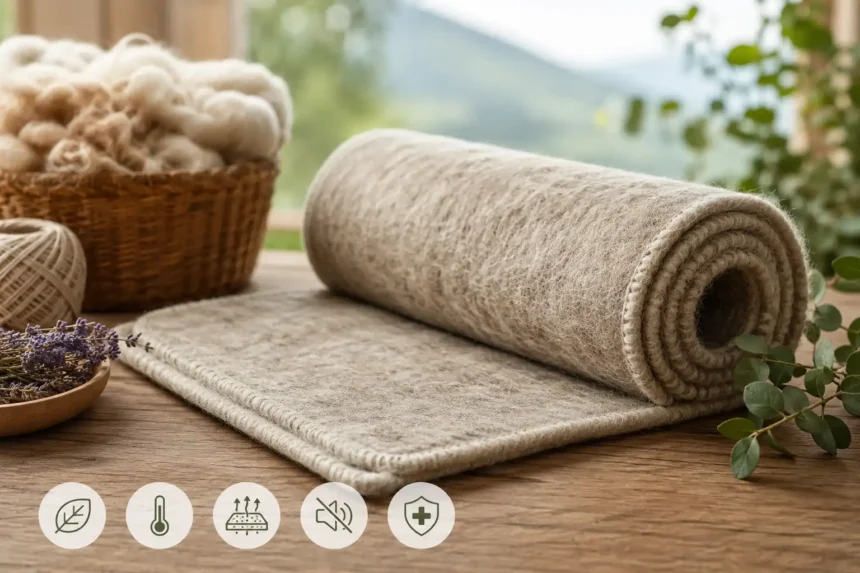
Wollmatten is a German word meaning wool mats — floor coverings made from natural sheep’s wool that have been used in homes for centuries. These mats are valued for their warmth, durability, sound absorption, and eco-friendly properties. Whether used in a living room, bedroom, or garden, wool mats offer a combination of comfort and practicality that synthetic alternatives simply cannot match.
- What Are Wollmatten? Meaning, Origin, and History
- Types of Wollmatten
- Benefits of Wollmatten
- Wollmatten and Sustainability
- Wollmatten in Interior Design and Home Decor
- Wollmatten Uses Beyond Flooring
- How to Choose the Right Wollmatten
- Care and Maintenance of Wollmatten
- Wollmatten vs Synthetic Mats
- Where to Buy High-Quality Wollmatten
- Conclusion
- FAQs
What Are Wollmatten? Meaning, Origin, and History
The word breaks down simply: Woll means wool, Matten means mats. Together, they describe floor coverings made primarily from wool fibers — a material humans have relied on since ancient civilizations.
Wool mats have roots across Europe, Central Asia, the Middle East, and Scandinavia. In nomadic cultures, they served as portable insulation against cold ground. In farmhouses across Northern Europe and Alpine homes, they were practical everyday objects — not decorative luxuries. During the Renaissance era, wealthy European households used intricately designed wool rugs as symbols of wealth and artistry.
Traditional craftsmanship shaped these products for generations. Wool was sourced from sheep-farming communities and handwoven or felted into dense, durable mats. Modern manufacturing techniques have expanded production, but the core material and its properties remain unchanged. Today, wool mats appear in both traditional and contemporary interiors worldwide.
Types of Wollmatten
Wollmatten are not a single product — they span a range of constructions, materials, and intended uses. Knowing the differences makes it easier to choose the right option.
The main functional categories include:
- Decorative wool mats — used in living rooms, bedrooms, and hallways
- Insulation Wollmatten — designed for thermal and acoustic insulation in buildings
- Yoga and wellness mats — used in meditation spaces and fitness areas
- Industrial wool mats — heavy-duty options for workshops, factories, and machinery protection
By Construction Method
The construction method determines how the mat feels, how long it lasts, and how much it costs.
| Method | Key Features | Best For |
| Hand-knotted | Skilled artisans tie individual knots, intricate patterns, and tight knotting | Long-term investment, heirloom quality |
| Hand-tufted | Tufting gun pushes wool yarn through backing material; plush texture | Mid-range comfort and design |
| Flatweave | Woven flat; no pile; light and easy to clean | High-traffic areas, casual use |
| Felted | Fibres compressed with heat and moisture; dense structure; no adhesive | Insulation, firm underfoot feel |
| Needle-punched | Mechanically entangled fibres; firm, uniform structure | Industrial and functional use |
| Machine-made | Automated processes; consistent patterns; budget-friendly | Everyday use, accessible pricing |
By Wool Material Type
The wool type used in a mat significantly affects its softness, durability, and suitability:
- Merino wool — fine texture, exceptionally soft, gentle underfoot
- Shetland wool — robust and resilient, handles heavy foot traffic well
- Organic wool — sourced from sustainably raised sheep, eco-certified
- Alpaca wool — silky feel, naturally hypoallergenic, excellent insulation
- Pure wool / 100% natural wool — maximum breathability and longevity
- Wool blends — combined with cotton, polyester, or felt; more affordable but reduced performance
- Felted wool — dense and firm, ideal for insulation and protection applications
New Zealand sheep produce some of the finest wool fibers due to their climate and grazing conditions, resulting in rugs with notable softness and luster.
Benefits of Wollmatten
Wool mats outperform synthetic alternatives across several practical categories. The benefits are not marketing claims — they come from the physical structure of the wool fiber itself.
Comfort and Thermal Properties
Wool fibers have a natural crimp that creates tiny air pockets throughout the mat structure. These pockets trap warmth, making wool mats noticeably warmer underfoot than hard flooring or synthetic alternatives — without any chemical treatment.
The same structure also allows wool to breathe. In warmer months, it regulates temperature rather than retaining heat. This makes wool rugs practical year-round, particularly in cold climates where heating costs are a concern.
Health and Hypoallergenic Advantages
Wool naturally resists dust mites and bacteria, which makes it a suitable option for allergy sufferers and households with children. Unlike synthetic materials, natural wool contains fewer added chemicals, which reduces indoor chemical exposure.
Wool fibers can also absorb certain airborne pollutants, contributing to better indoor air quality. For people with breathing problems or skin sensitivity, outer coat wool used in most wool mattresses is generally less irritating than fine merino used in clothing — many people who react to wool garments have no issue with a wool mat underfoot.
The tactile softness of wool also creates a calming environment. Soft, warm textures underfoot reduce sensory stress, particularly in bedrooms and workspaces.
Durability and Resilience
Wool fibers bend under pressure and return to their original shape — this elasticity prevents permanent matting, which is a common problem with synthetic rugs. Well-made hand-knotted wool rugs can last for generations with proper care.
For anyone comparing options before buying, this detailed guide on wool carpet pros and cons explains fiber performance and longevity clearly.
Lanolin, the natural wax found in wool, provides inherent stain resistance. Spills tend to sit on the surface rather than penetrating immediately, which gives time for quick action before a stain sets. High-traffic areas benefit from this resilience — the mat maintains its appearance longer than comparable synthetic options.
Wollmatten and Sustainability
The environmental case for wool mats is stronger than that of most natural materials. Sheep are shorn once or twice a year, and the wool grows back — it is a genuinely renewable resource. Production requires significantly less energy than manufacturing synthetic fibers from petroleum-based materials like polyester or nylon.
Unlike synthetic mats, wool does not shed microplastics during washing or daily use. At the end of life, a wool mat is fully biodegradable — it returns to the soil rather than sitting in landfills for decades.
Many wool items are produced using lower-grade wool unsuitable for clothing, giving that material a productive second life rather than sending it to waste. For buyers who prioritize verified sustainability, certifications like the Global Recycled Standard and credentials from recognized artisan organisations provide third-party confirmation — not just self-reported claims.
Wollmatten in Interior Design and Home Decor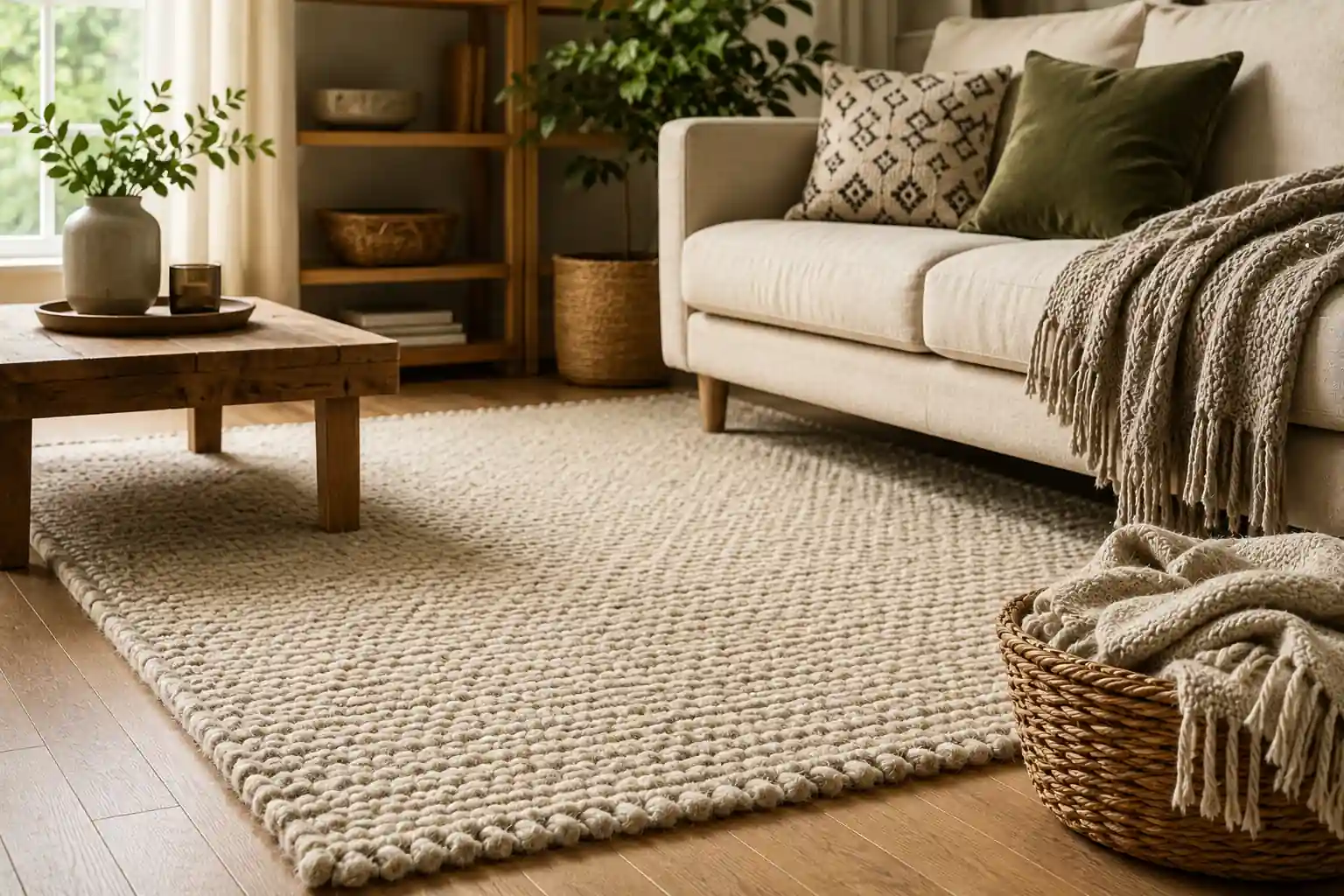
A wool mat contributes both visually and functionally to a room. It anchors furniture arrangements, absorbs sound, and adds warmth to hard flooring — all at once.
Design Styles and Aesthetics
Wool mats suit a wide range of interior styles:
- Minimalist interiors — neutral, natural, or softly dyed shades in cream, warm gray, or oatmeal tones
- Scandinavian style — soft textures and muted tones in cozy, functional spaces
- Rustic homes — natural textures complement wooden interiors and traditional furnishings
- Luxury spaces — premium hand-knotted designs in bold hues or intricate geometric patterns
- Contemporary spaces — flatweave or hand-tufted options in modern floral motifs or houndstooth and plaid
Naturally dyed and undyed options age well, avoiding the dated look that trend-driven colour palettes often develop. For those wanting patterns, geometric designs in natural dyes remain visually relevant across changing interiors.
Size and Placement Guide
Getting the size wrong is one of the most common mistakes when buying any floor mat. General rules:
- Living room — front legs of the sofa should sit on the mat; it should extend past the coffee table edges
- Dining area — the mat must be large enough that chairs remain on it even when pulled out from the table
- Bedroom — position under the bed so there is enough coverage to step onto in the morning
- High-traffic zones — choose durable construction (flatweave or hand-knotted) over plush pile options
Always measure the space before purchasing. Room anchoring works best when the mat is slightly larger than instinct suggests.
Wollmatten Uses Beyond Flooring
Wool mats serve practical purposes outside the obvious floor covering role.
In the garden, wool mats placed over soil suppresses weeds, retains moisture around plant roots, and buffers temperature shifts. As they break down, they slowly release nitrogen — making them a biodegradable alternative to plastic landscape fabric. Most gardeners get one to two productive seasons from a garden wool mat before it decomposes enough to till in.
In offices and commercial spaces, wool mats reduce echo in meeting rooms, reception areas, and quiet workspaces. Hotels use premium wool products for both acoustic insulation and aesthetic appeal.
Wall hangings and chair decorations offer another design application — smaller wool rugs add character to a workspace or reading corner without occupying floor space.
How to Choose the Right Wollmatten
Several factors determine whether a wool mat is the right fit for a specific space:
- Material quality — look for 100% natural wool clearly stated on the product label; wool blends lose breathability and biodegradability
- Construction method — match the weave type to the level of foot traffic the area receives
- Pile height — low-pile for high-traffic or easy-clean needs; high-pile for comfort-focused bedrooms or studios
- Thickness — thicker mats provide more sound absorption and softness underfoot
- Budget — hand-knotted options represent a long-term investment; machine-made wool mats offer durability at accessible price points
- Usage area — pets and children require durable, stain-resistant construction; delicate spaces can accommodate finer options
Read customer reviews that mention texture specifically — “soft” is vague, but “soft enough to sit on” is informative. Trusted brands and reputable manufacturers are typically upfront about fibre content and craftsmanship.
Care and Maintenance of Wollmatten
Wool mat care is straightforward once the key rules are understood.
Vacuum regularly using a brush attachment with the suction set to low or medium — high suction pulls at fibres over time and can stress the weave or felt structure. Avoid vacuums with a beater bar, which can damage the wool pile.
Rotate the mat every few months so wear distributes evenly. This is especially important in spots where people consistently stand or walk in the same path. Direct sunlight causes fading over time — avoid placing Wollmatten in prolonged exposure or rotate to prevent uneven colour loss.
For storage, wool attracts moths in dark, undisturbed conditions. Cedar blocks or dried lavender placed nearby act as natural deterrents. Mats in active daily use are rarely affected — moths target items left alone.
For deep cleaning, professional cleaning by wool specialists is recommended for hand-knotted or fine pieces. Follow manufacturer instructions precisely before attempting home washing — wool washed incorrectly can shrink and distort permanently.
Cleaning Tips for Spills and Stains
Act quickly on spills. Blot — never rub — with a clean cloth. Rubbing pushes the liquid deeper into the fibres and spreads the stain. For stubborn stains, apply mild soap or mild detergent diluted in water using a soft sponge, then rinse with a damp cloth.
If pilling appears, trim it gently with scissors rather than pulling. Lanolin in the wool provides natural stain resistance, but speed still matters — quick action before a spill dries makes cleaning significantly easier.
Wollmatten vs Synthetic Mats
| Feature | Wollmatten | Synthetic Mats |
| Fiber source | Natural wool | Artificial / petroleum-based |
| Biodegradable | Yes | Generally no |
| Insulation | Excellent | Moderate |
| Texture | Soft, resilient | Variable, often less soft |
| Microplastic shedding | None | Present |
| Eco-friendly | High | Low to moderate |
| Lifespan | Long (decades with care) | Shorter |
| Initial cost | Higher | Lower |
| Long-term value | Better | Less reliable |
The core difference is structural: wool performs because of how its fibres are built, not because of added treatments. Synthetic mats replicate the appearance but not the functional properties.
Where to Buy High-Quality Wollmatten
Several reliable sources exist for purchasing quality wool mats:
- Specialty home decor stores — curated selections with knowledgeable staff
- Etsy and artisan marketplaces — independent artisans offering custom wool mats and one-of-a-kind designs
- Craft fairs and artisan markets — allow hands-on assessment of texture and quality before purchasing
- Reputable e-commerce sites — established home goods retailers with verified reviews and clear product descriptions
When buying online without handling the mat first, prioritise listings that specify fibre content clearly, include detailed texture descriptions in customer reviews, and come from trusted manufacturers with transparent sourcing. Avoid listings that are vague about wool content or blend composition.
Conclusion
Wollmatten represents a practical, durable, and environmentally responsible flooring choice that has proven its value across centuries. Made from natural sheep’s wool, these mats provide genuine warmth, sound absorption, stain resistance, and hypoallergenic comfort without relying on synthetic additives or chemical treatments.
Their versatility extends from bedroom floors and living room anchors to garden beds and office acoustics. Choosing the right construction method, wool type, and size for a specific space turns a simple floor covering into a long-term investment. With proper care, a quality wool mat can remain a functional and visually strong part of a home for decades — offering sustainable value that synthetic alternatives rarely match.
FAQs
What does Wollmatten mean?
Wollmatten is a German compound word. Woll means wool and Matten means mats. Together, the term refers to mats or rugs made from wool fibers, used for flooring, insulation, and decoration.
Are Wollmatten eco-friendly?
Yes. Wool is a renewable resource — sheep are shorn annually, and the fleece grows back. Wool mats are fully biodegradable, do not shed microplastics, and require less energy to produce than synthetic flooring materials.
What are the different types of Wollmatten?
The main types by construction are hand-knotted, hand-tufted, flatweave, felted, needle-punched, and machine-made. By material, options include merino, Shetland, alpaca, organic wool, and various wool blends.
Where can Wollmatten be used in the home?
Wool mats work well in living rooms, bedrooms, entryways, nurseries, home studios, and workspaces. They also have practical applications in the garden as biodegradable weed-suppressing ground covers.
How do you clean and maintain Wollmatten?
Vacuum regularly using a brush attachment with low suction power. Blot spills immediately with a clean cloth. Rotate the mat every few months for even wear. Avoid direct sunlight. Use cedar blocks or dried lavender to deter moths during storage. Seek professional cleaning for fine or hand-knotted pieces.
Are wool mats good for people with allergies?
Wool is naturally hypoallergenic. It resists dust mites and bacteria, absorbs certain airborne pollutants, and contains fewer synthetic chemicals than most artificial floor coverings — making it a practical choice for allergy sufferers and those with breathing sensitivities.
How long do Wollmatten last?
With proper care, high-quality hand-knotted wool mats can last for generations. The natural elasticity of wool prevents permanent matting, and lanolin provides built-in stain resistance. Even mid-range hand-tufted options typically outlast synthetic alternatives with basic maintenance.
How do Wollmatten compare to synthetic mats?
Wool mats offer better insulation, genuine biodegradability, no microplastic shedding, and a longer lifespan than synthetic alternatives. The initial cost is higher, but the long-term value, comfort, and environmental impact make them a stronger overall choice for most home applications.